
What Is Acrylic Material and Why Does It Matter for Sports Courts?
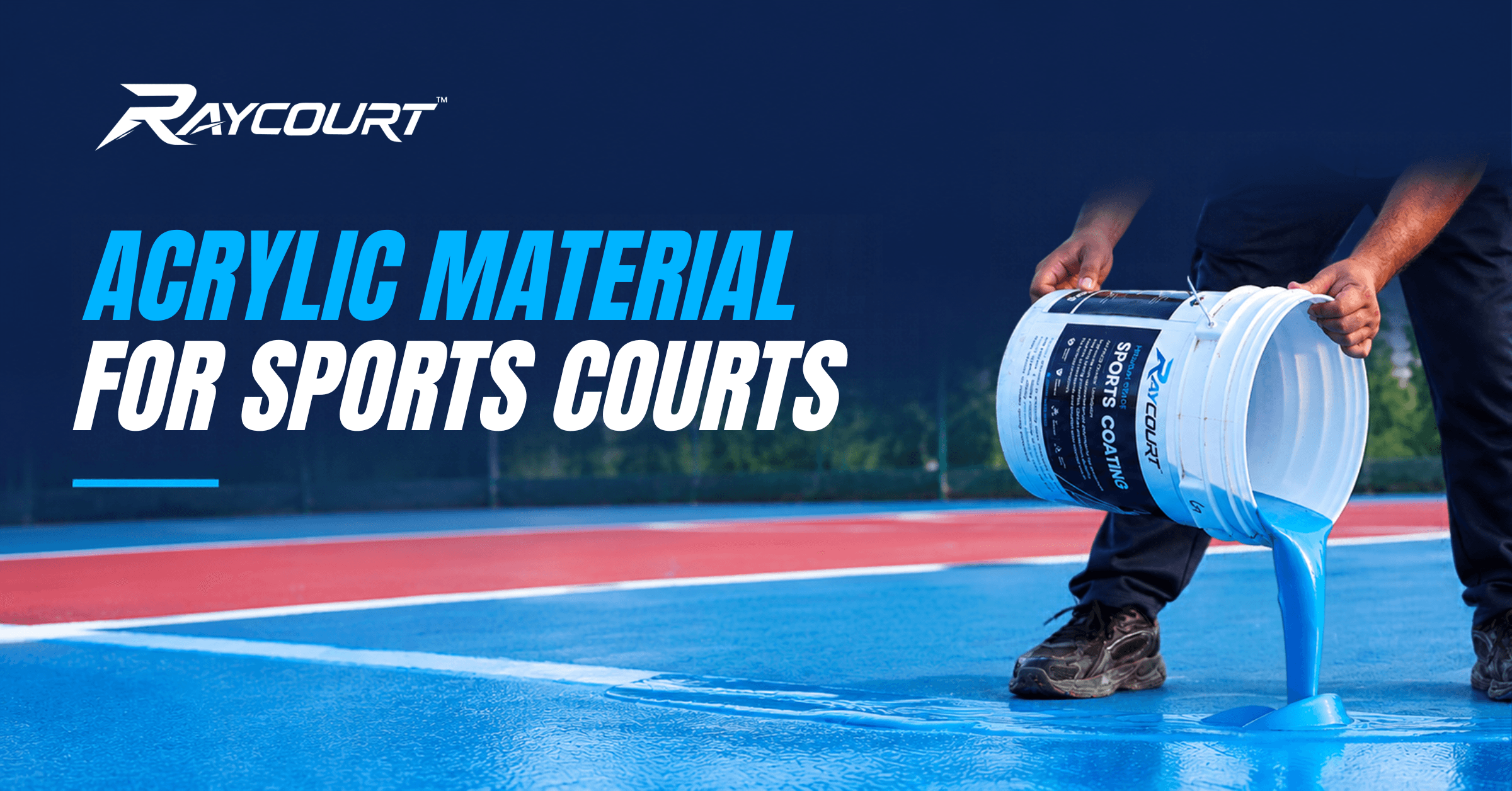
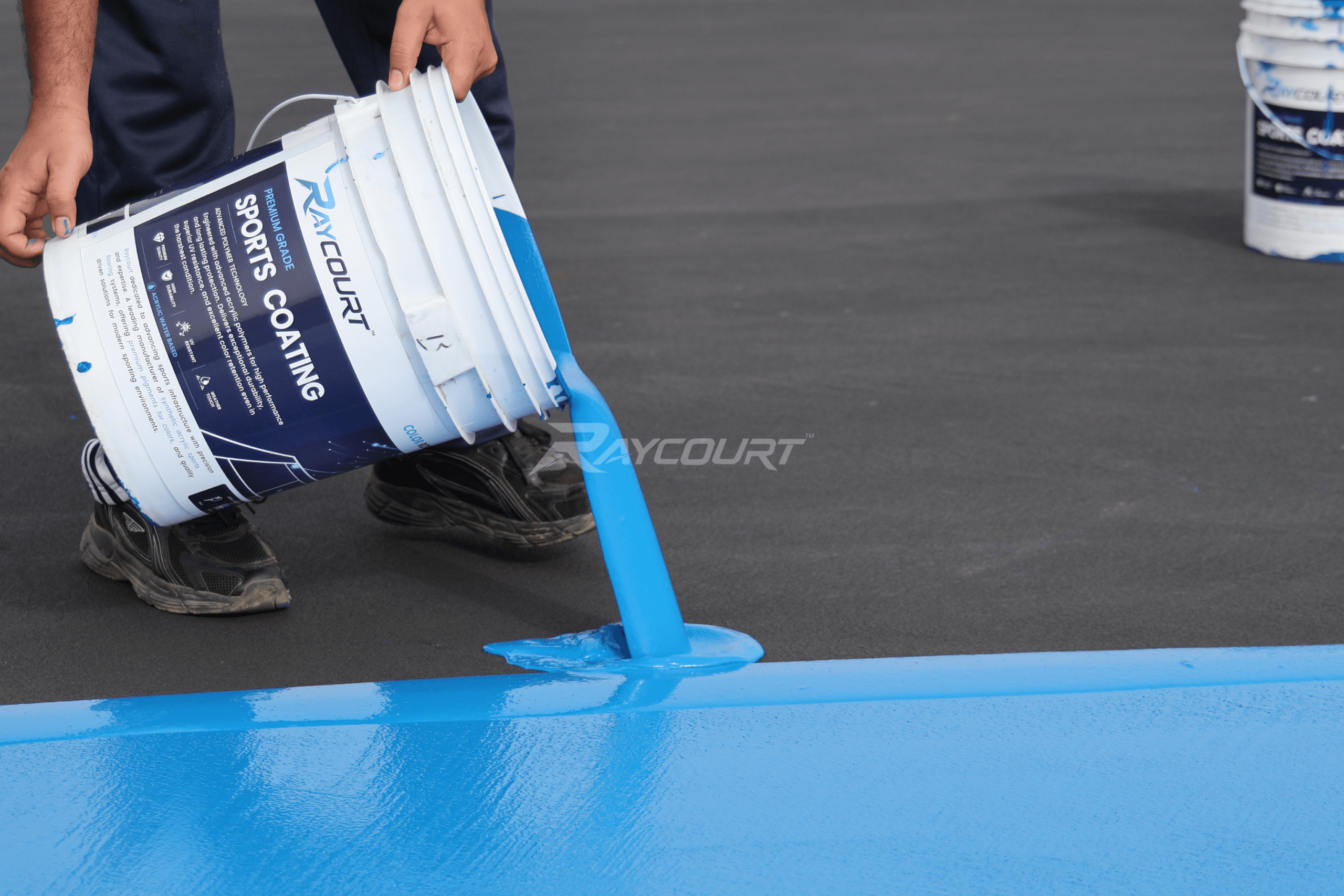
Acrylic material is a water-based, pigmented polymer coating system that forms a durable, slip-resistant playing surface on sports courts. Manufacturers blend acrylic resin with fine fillers and UV-stable pigments. Contractors then apply the mixture in thin layers over a prepared concrete or asphalt base. The finished surface delivers consistent ball bounce, reliable grip, and vivid colour that lasts through sun, rain, and heavy play.
If you research acrylic material for a tennis, basketball, pickleball, or volleyball court, this guide answers your questions step by step. You will learn what acrylic material contains, how it performs, which sports it suits, and how to judge quality. Along the way, you will also see how Raycourt supports project teams as a manufacturer of synthetic acrylic sports court flooring material.
One clarification matters before we begin. Raycourt manufactures the material, and Raycourt does not install it. Your trained contractor handles the application on site. We supply consistent, tested acrylic material and technical guidance so that your contractor can deliver a strong result.
Expert tip: Treat acrylic material as a complete system, not a single product. The base, the cushion layers, the colour coats, and the line paint all work together. A weak link in any layer affects the whole court.
Understanding Acrylic Material from the Ground Up
Most players walk onto a court and never think about what lies under their shoes. Yet the surface shapes every serve, sprint, and landing. Acrylic material earns its place in modern sports facilities because it balances performance, durability, and visual clarity better than many alternatives.
What Is Acrylic Material Made Of?
Acrylic material starts with a polymer binder. This binder holds everything together and gives the coating its flexibility. Manufacturers then add mineral fillers, such as fine silica sand, to create texture. Finally, they mix in pigments that give the court its colour.
Each ingredient plays a clear role:
- Acrylic polymer binder: Bonds the coating to the base and flexes with small movements.
- Silica or quartz fillers: Control the surface texture, grip, and ball pace.
- UV-stable pigments: Resist fading and keep colours bright under strong sun.
- Water: Carries the mixture during application and evaporates as the coating cures.
- Performance additives: Improve flow, adhesion, and weather resistance.
Because the system uses water as its carrier, it spreads easily and cures into a tough film. In addition, water-based acrylic material produces fewer strong odours on site than many solvent-based coatings.
How Does Acrylic Material Differ from Ordinary Paint?
Many people assume a court coating works like wall paint. It does not. Wall paint forms a thin film that suits décor. Acrylic material for sports courts has a much higher solids content, and it carries filler particles that build a gritty, controlled texture. That texture matters because it sets the grip and the ball speed.
Sports-grade acrylic material also handles abrasion, foot traffic, and thermal movement. Ordinary paint would crack, peel, or polish smooth within weeks of regular play. Therefore, you should always choose acrylic material that a manufacturer formulates specifically for sport.
How Does Acrylic Material Compare with Other Court Surfaces?
Owners often compare acrylic material with other surface options before they decide. The table below summarises the main differences in performance terms.
| Surface Type | Typical Feel | Maintenance Needs | Suited For |
|---|---|---|---|
| Acrylic material | Firm, consistent, grippy | Low to moderate | Tennis, basketball, pickleball, volleyball, multi-sport |
| Natural clay | Soft, slow, sliding | High, daily upkeep | Tennis |
| Natural grass | Fast, variable bounce | Very high | Tennis |
| Bare concrete | Hard, abrasive | Low | Casual play only |
| Wooden flooring | Springy, polished | Moderate | Indoor basketball, volleyball |
As the table shows, acrylic material offers a rare mix. It gives predictable performance across several sports, and it keeps upkeep manageable.
How Acrylic Material Works on a Sports Court
Acrylic material does not act alone. It bonds to a prepared base and builds a layered surface. Each layer has a job, and each job supports the next. Understanding this sequence helps you ask better questions when you speak with your contractor.
Step 1: The Base Layer Sets the Foundation
Every acrylic court starts with a stable, level base. Most projects use concrete or asphalt (bitumen). The base must drain well, stay free of major cracks, and cure fully before the contractor applies any acrylic material.
A poor base causes most surface failures. If water collects in low spots, the coating can blister. If cracks move, they can telegraph through the layers. For that reason, experienced contractors inspect the base carefully and repair defects first.
Step 2: Primer and Filler Coats Prepare the Surface
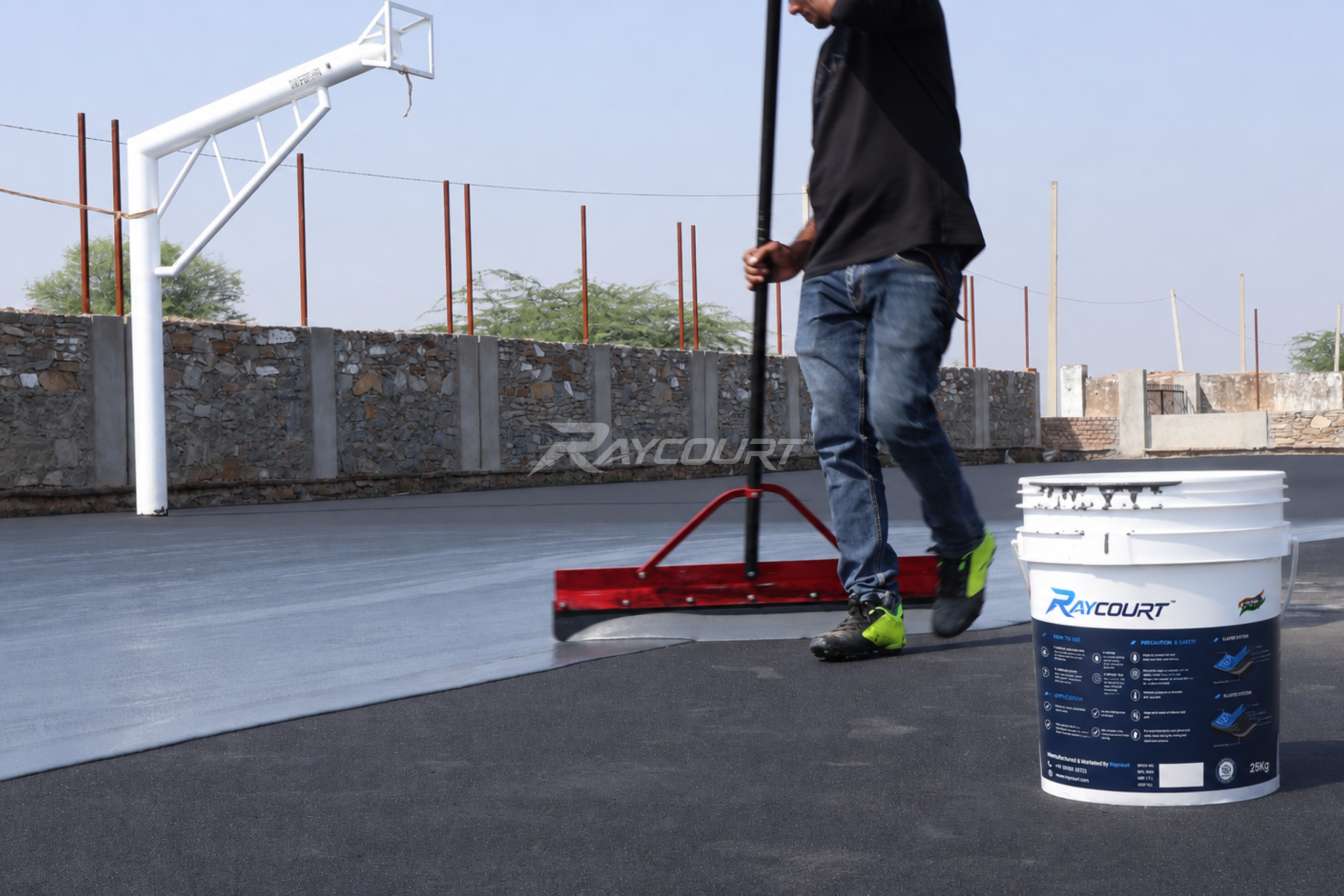
Next, the contractor seals the base with a primer. The primer improves adhesion and locks out dust. After that, the contractor applies filler coats that smooth out minor surface irregularities. These coats also create a uniform canvas for the layers above.
On many courts, contractors add resurfacer coats that fill the pores of the base. This step reduces pinholes and gives the colour coats a clean, even bed.
Step 3: Cushion Layers Add Comfort and Control
Some systems include cushion coats. These layers contain rubber granules or similar elastic particles. They absorb part of the impact from each step, and they reduce stress on joints during long sessions. Players who train for hours often notice the difference.
Cushioned systems also change how the ball behaves. Therefore, a coach or facility manager should decide how much cushioning suits the sport and the player level before choosing a system.
Step 4: Colour Coats Define Pace and Grip
The colour coats form the visible playing layer. Here, the blend of acrylic binder, silica filler, and pigment sets the surface texture. A coarser texture slows the ball and increases grip. A finer texture speeds up play and feels smoother underfoot.
Manufacturers control this balance carefully. That is why batch consistency matters so much. If the filler size or ratio drifts from batch to batch, the court plays differently from one corner to another.
Step 5: Line Marking Completes the Court
Finally, the contractor marks the boundary lines with acrylic line paint. Crisp, accurate lines matter for fair play and for competition standards. Line paint also needs to match the texture of the surrounding surface so that players do not feel a change underfoot.
Expert tip: Ask your contractor to follow the manufacturer’s technical data sheet for coat thickness, drying times, and weather limits. Careful adherence to those details protects the finished court.
Ready to build a court that performs for years to come?
Connect with Raycourt for sports flooring systems built for your project.
Key Performance Properties of Quality Acrylic Material
Now that you understand how the layers work, let us explore what makes acrylic material perform well. Each property below affects safety, playability, or lifespan.
Slip Resistance and Player Safety
Grip protects players. Quality acrylic material contains graded silica that creates a controlled, micro-rough texture. Players can plant, pivot, and sprint without sliding unexpectedly. At the same time, the texture does not grab so hard that it stresses knees and ankles.
Wet conditions raise the stakes. A good acrylic surface keeps adequate traction even after light rain, although players should still wait for standing water to clear before they start.
Consistent Ball Bounce and Predictable Pace
Ball bounce depends on surface hardness and texture. Acrylic material produces a true, even bounce because the layers cure into a uniform film. Tennis players, for example, can rely on the ball to rise at the same height across the whole court.
Pace classification gives owners an objective way to describe this behaviour. Raycourt’s material carries ITF Court Pace Classified status, which signals that the surface meets recognised pace testing. Coaches value that reliability because it makes training results meaningful.
UV Stability and Colour Retention
Strong sunlight fades weak pigments quickly. In contrast, premium acrylic material uses UV-stable pigments that hold their tone for long periods. Courts in sunny regions need this feature most. A faded surface looks tired, and it can also reduce line visibility.
Flexibility and Crack Bridging
Bases move slightly as temperatures rise and fall. Acrylic material must flex with that movement without cracking. The polymer binder gives the film its elasticity. As a result, the coating bridges hairline cracks and resists new ones.
No coating can hide major structural cracks, however. Large cracks need proper repair before any acrylic material goes down.
Weather and Water Resistance
Outdoor courts face rain, heat, dust, and humidity. Acrylic material forms a tight, weather-resistant film that sheds water and resists many common stains. In addition, its porous-free finish makes routine cleaning simple.
Surface Uniformity and Appearance
Court owners also care about looks. Acrylic material comes in many colours, so facilities can match brand palettes or create clear contrast between the court and the run-off area. High contrast improves ball visibility, which helps players track fast shots.
The table below links each property to its main benefit.
| Property | What It Does | Main Benefit |
|---|---|---|
| Controlled texture | Sets grip and ball pace | Safer, more predictable play |
| UV-stable pigments | Resist fading | Long-lasting colour |
| Polymer flexibility | Bridges fine cracks | Longer surface life |
| Water resistance | Sheds rain and moisture | Easier cleaning |
| Colour range | Creates contrast | Better ball and line visibility |
Quick Answers About Acrylic Material
Some questions come up in nearly every project conversation. The short sections below answer them clearly.
Is Acrylic Material Suitable for Tennis Courts?
Yes. Acrylic material ranks among the most popular tennis surfaces worldwide. Professional hard-court tournaments use acrylic systems because they deliver medium-to-consistent pace, true bounce, and dependable grip. Club players enjoy the same benefits at a practical level of upkeep.
Raycourt’s tennis material carries ITF Court Pace Classified status. That credential helps academies and clubs choose a surface with confidence.
Can Acrylic Material Work for Basketball Courts?
Absolutely. Basketball demands quick stops, sharp cuts, and repeated jumps. Acrylic material, especially with a cushion layer, supports all three. The surface also gives a steady dribble response, which ball handlers appreciate.
Outdoor basketball courts benefit most, because acrylic material resists weather better than many indoor-only options.
Does Acrylic Material Suit Pickleball?
Yes. Pickleball has grown quickly, and many facilities now convert or share tennis courts. Acrylic material works well here because it provides controlled grip for the sport’s short, fast movements. Moreover, owners can paint pickleball lines onto an existing acrylic surface.
Is Acrylic Material Good for Volleyball?
Outdoor volleyball courts, whether for school, community, or club use, perform well on acrylic material. Players dive, slide, and jump repeatedly, so cushioned systems add useful comfort. The smooth but gritty finish also reduces the chance of abrasive skin injuries compared with rough bare concrete.
Can One Surface Handle Several Sports?
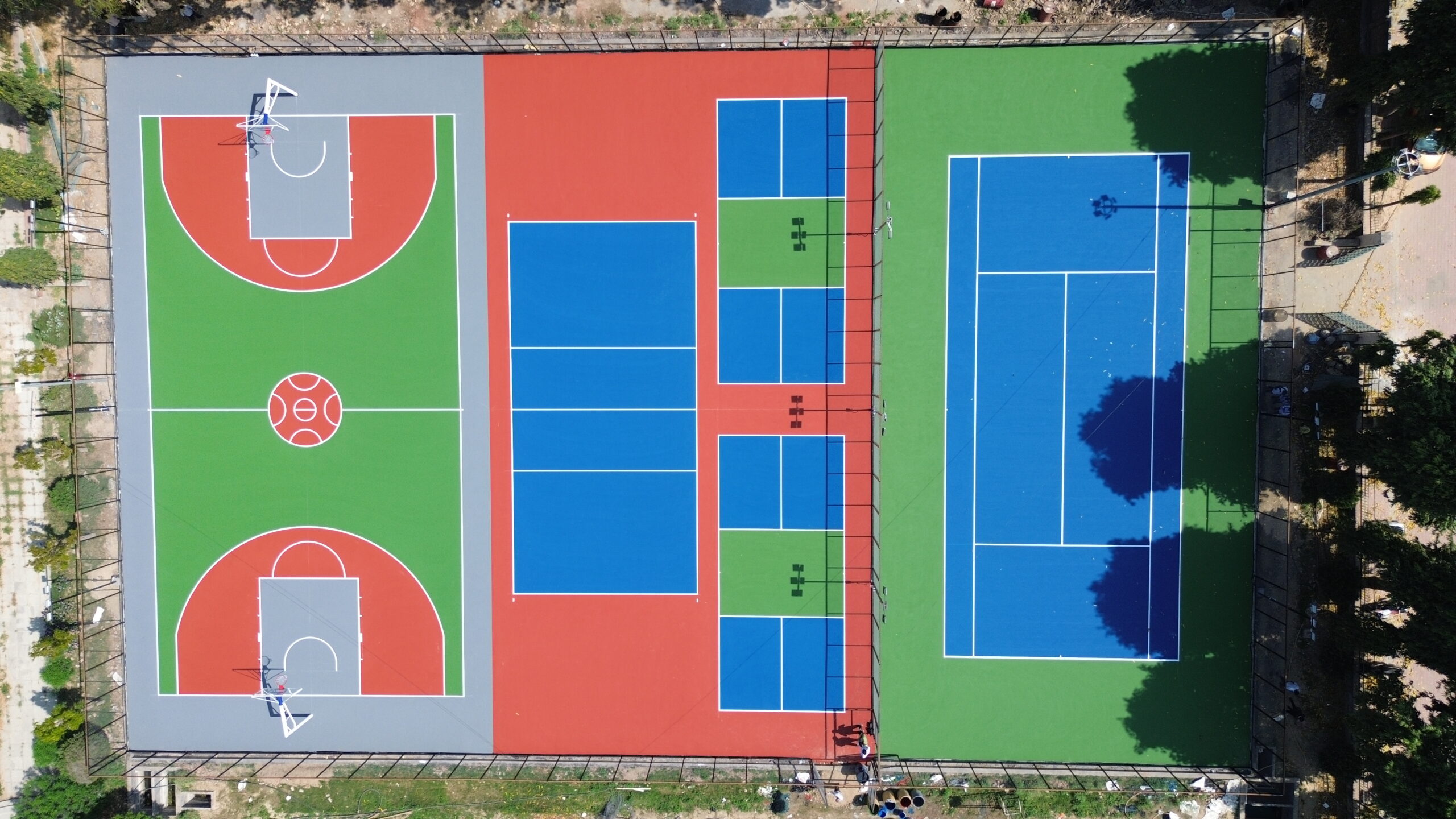
Multi-sport courts rely on acrylic material every day. Facility managers paint different line sets in contrasting colours and serve many user groups from one footprint. This flexibility makes acrylic material a smart choice for schools, universities, and community complexes.
Which Sports Benefit Most from Acrylic Material?
Different sports ask different things from a surface. The table below shows how acrylic material meets those demands.
| Sport | Key Surface Demand | How Acrylic Material Responds |
|---|---|---|
| Tennis | Predictable pace and bounce | Graded texture sets reliable pace |
| Basketball | Cushioning and traction | Cushion layers and grit control movement |
| Pickleball | Controlled grip, true bounce | Even film supports consistent play |
| Volleyball | Impact absorption, skin safety | Cushioned systems soften landings |
| Badminton (outdoor) and futsal | Clean footing | Smooth, gritty finish supports quick turns |
| Multi-sport | Versatility | Colour contrast separates line sets |
Because acrylic material adapts so well, planners can create flexible facilities without compromising quality.
Preparing the Base: Why Substrate Quality Decides Success
No discussion of acrylic material feels complete without a serious look at the base. Experts agree that most coating failures begin below the coating. Therefore, project owners should treat base preparation as a priority.
Concrete Bases
Concrete offers a rigid, stable foundation. It also holds its shape under heavy use. However, new concrete must cure fully before the contractor applies acrylic material. Trapped moisture can push through the coating and cause blisters.
A good concrete base has these qualities:
- A proper slope that drains water away from the playing area.
- A smooth, uniform finish without sharp ridges or hollows.
- Adequate curing time before coating begins.
- Control joints that the contractor places and treats correctly.
Asphalt (Bitumen) Bases
Asphalt bases offer slightly more flexibility than concrete. They suit many outdoor courts, and they accept acrylic material well when the contractor prepares them properly. Asphalt also needs time to settle, so contractors should wait before they coat.
Meanwhile, the surface must stay free of oil, dust, and loose particles. Cleaning ensures that the primer bonds strongly.
Drainage and Slope
Water is the most common enemy of any court. A well-designed base includes a gentle, consistent slope so that rain runs off quickly. Standing water, often called birdbaths, shortens coating life and interrupts play.
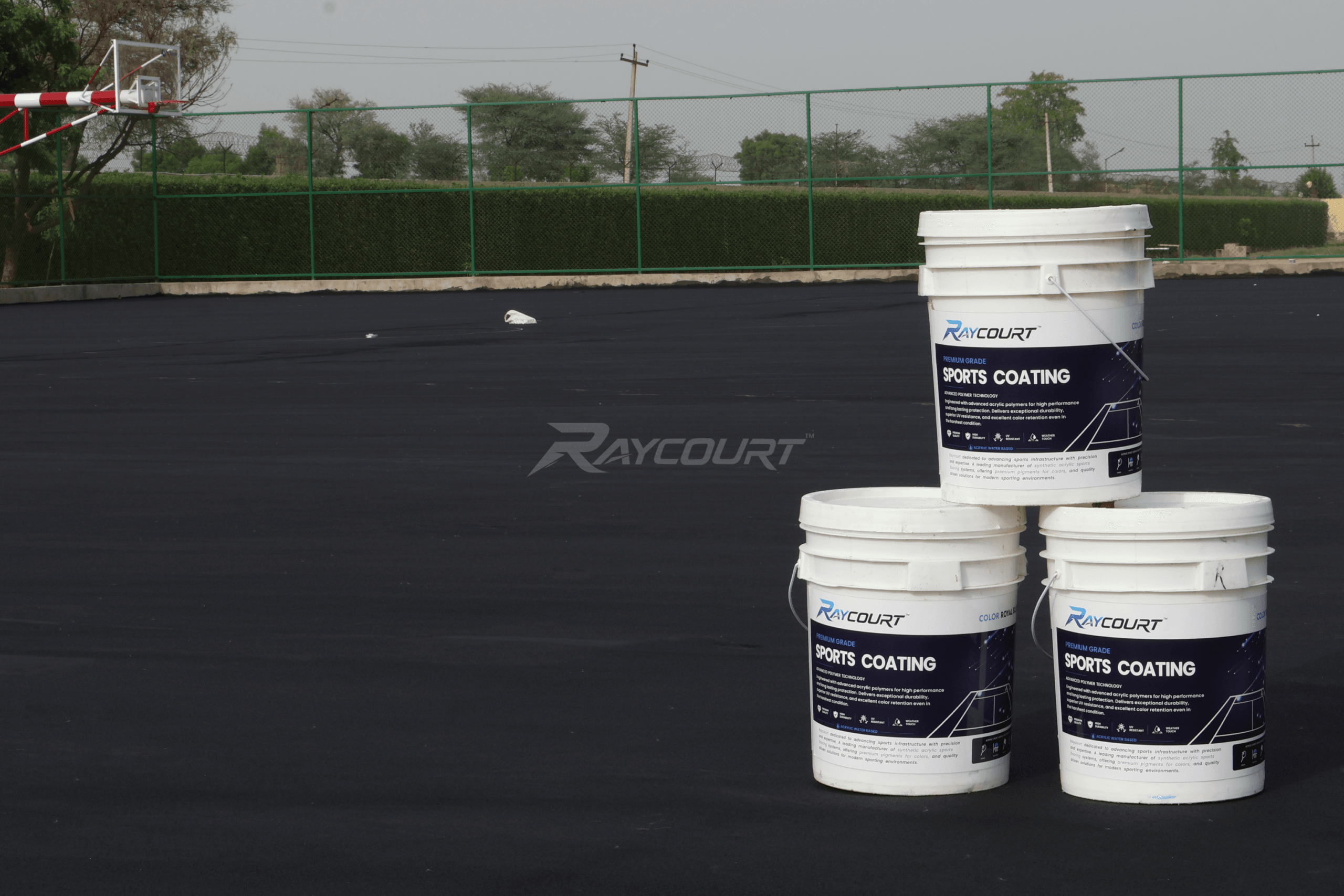
Expert tip: Before your contractor opens a single bucket of acrylic material, pour a small amount of water on the base and watch the flow. If puddles form, fix the slope first.
Standards, Testing, and Why They Matter
A court surface should do more than look good. It should meet recognised performance benchmarks. Standards give owners a shared language, and they help buyers compare products fairly.
The Role of the ITF
The International Tennis Federation (ITF) classifies tennis surfaces by pace. Its testing measures how fast a surface plays, and it helps players, coaches, and tournament organisers know what to expect. You can explore the ITF’s work on surfaces and equipment at the International Tennis Federation website.
Raycourt’s acrylic material holds ITF Court Pace Classified status. This recognition reflects consistent manufacturing and verified performance. Consequently, facility owners gain confidence that the surface will behave the way its rating suggests.
Why Batch Consistency Matters
A classification only helps if every delivery matches the tested product. Reliable manufacturers control raw materials, mixing ratios, and quality checks at every stage. Furthermore, they keep records so that they can trace any batch.
When you evaluate a supplier, ask how they ensure consistency from the first drum to the last. A confident manufacturer answers clearly and shares documentation.
Technical Data Sheets and Support
Strong manufacturers publish technical data sheets that list coverage rates, drying times, mixing instructions, and weather limits. Contractors depend on these details. In addition, good manufacturers offer technical support so that crews can solve questions on site.
How Climate Shapes Acrylic Material Performance
Climate affects every outdoor court. Heat, humidity, monsoon rain, and dust all test the surface. Acrylic material handles these conditions well when the manufacturer formulates it for them and the contractor applies it within the recommended weather window.
Heat and Sun Exposure
Intense sun warms the surface and stresses pigments. High-quality acrylic material resists this stress through UV-stable pigments and a flexible binder. However, the surface can still feel hot at midday. Therefore, many facilities schedule training in the early morning or evening.
Shade structures and tree cover also help. They reduce surface temperature and extend the life of the colour coats.
Monsoon and Humidity
Moisture matters during both application and daily use. Contractors should avoid coating during rain, and they should wait for the base to dry completely. After curing, acrylic material sheds water quickly. In addition, regular sweeping keeps drainage paths open during heavy rain.
Humid weather slows drying, so crews should follow the manufacturer’s guidance on recoat intervals. Patience here prevents soft spots and weak adhesion.
Temperature Swings
Regions with large day-to-night temperature differences place extra stress on the base. The flexible polymer film in acrylic material absorbs much of that movement. As a result, the surface keeps its integrity over many seasons.
Expert tip: Plan your court project around the local weather calendar. Dry, moderate days give contractors the best conditions for strong curing and clean finishes.
Caring for Acrylic Material: Maintenance That Extends Surface Life
Acrylic material rewards regular care. A few simple habits keep the surface safe, attractive, and consistent. Owners who build a routine early avoid bigger repairs later.
Daily and Weekly Habits
Start with the basics. Sweep the court often to remove dust, leaves, and grit. Loose debris acts like sandpaper under shoes, and it dulls the surface texture. A soft broom or a blower handles most of the work.
Next, clear any standing water after rain. A squeegee or a soft mop pushes water toward the edges. This habit protects the coating and keeps the court playable.
Periodic Washing
Occasionally, the court needs a deeper clean. Use clean water and a soft brush. For stubborn marks, choose a mild, court-safe cleaner, and rinse the surface thoroughly. Avoid harsh chemicals because they can weaken the binder and change the colour.
Also, avoid high-pressure washing at close range. Intense pressure can erode the texture and strip fine particles from the surface.
Watching for Early Warning Signs
Inspect the court regularly. Early detection stops small issues from growing. Look for these signs:
- Hairline cracks that appear along base joints.
- Worn patches in high-traffic zones, such as baselines and service areas.
- Colour fading in areas that face constant sun.
- Bubbles or blisters, which often point to trapped moisture.
- Slick spots, which can signal that surface texture has worn down.
Repairs and Recoating
Small repairs work best when you act quickly. A qualified contractor can fill cracks, patch worn zones, and apply a fresh colour coat when the surface needs it. Because Raycourt supplies the material, we encourage owners to keep a record of the product and colour batch. That record helps your contractor match repairs closely.
A timely recoat refreshes colour, restores texture, and extends the life of the playing surface. Importantly, a recoat works best when the existing surface stays clean and sound.
Ready to build a court that performs for years to come?
Connect with Raycourt for sports flooring systems built for your project.
Do’s and Don’ts at a Glance
| Do | Don’t |
|---|---|
| Sweep regularly to remove grit | Don’t let debris build up |
| Clear standing water promptly | Don’t ignore puddles or drainage problems |
| Use court-safe cleaners | Don’t use harsh solvents or strong acids |
| Inspect the surface often | Don’t wait for cracks to spread |
| Rotate play zones when possible | Don’t concentrate all traffic in one spot |
Expert tip: Keep sharp objects, metal-tipped furniture, and bicycles off the court. Even a strong acrylic surface can scratch under concentrated point loads.
Safety, Comfort, and Environmental Considerations
Player wellbeing sits at the heart of court design. Modern acrylic material supports safe play, and it also responds to growing environmental awareness.
Player Comfort and Joint Protection
Hard courts place repeated stress on feet, knees, and hips. Cushioned acrylic systems soften that stress. They absorb part of each impact and return energy gently. Consequently, players often feel less fatigue after long sessions.
Grip matters here too. A well-balanced texture lets players move confidently without sudden catches or slides.
Glare and Visibility
Surface colour influences comfort. Overly bright or reflective surfaces create glare, which strains the eyes. Matte, balanced colour choices reduce glare and improve ball tracking. Many facilities pair a deeper court colour with a lighter run-off area to boost contrast.
Water-Based Formulation
Water-based acrylic material generally gives off fewer strong fumes than many solvent-based options. This quality makes application more pleasant for crews and neighbours. It also supports healthier, cleaner working conditions.
Durability as Sustainability
A long-lasting surface reduces waste. When a court holds up well, owners replace fewer materials and generate less demolition debris. Therefore, choosing durable acrylic material from a reliable manufacturer supports practical sustainability goals.
How to Choose the Right Acrylic Material Manufacturer
The market offers many products, and they do not all perform equally. A careful evaluation helps you avoid disappointment. Use the following checklist as you speak with suppliers.
Look for Proven Performance Credentials
Check whether the manufacturer holds recognised classifications, such as ITF Court Pace Classified status for tennis surfaces. Credentials show that independent testing backs the product’s claims. Ask for the supporting documentation, and review it closely.
Evaluate Manufacturing Consistency
A court plays well only when every batch matches the last. Ask how the manufacturer controls raw materials, mixing, and quality checks. A trustworthy supplier explains the process without hesitation.
Review Technical Documentation
Good suppliers provide clear data sheets, application guidance, and storage instructions. These documents help contractors work correctly. Missing or vague documents often signal weak support.
Confirm Technical Support
Projects raise unexpected questions. Therefore, you want a manufacturer that responds quickly and answers practically. Responsive technical support helps contractors solve problems before they affect the surface.
Understand the Manufacturer’s Role
Clarify who does what. Manufacturers such as Raycourt supply the acrylic material and technical guidance. Independent contractors perform the application. Understanding this division of roles helps you plan the project and hire the right people.
Supplier Evaluation Checklist
| Question to Ask | Why It Matters |
|---|---|
| Does the material hold recognised classifications? | Confirms independent performance testing |
| How does the manufacturer ensure batch consistency? | Protects uniform play across the court |
| Which technical documents are available? | Guides correct application and care |
| What support follows delivery? | Helps contractors resolve site questions |
| Which sports does the system suit? | Ensures the right match for your use |
Common Mistakes to Avoid with Acrylic Material
Even strong materials fail when people make avoidable errors. Learn from the most frequent mistakes below.
Skipping Base Preparation
Some teams rush to coat a base that has cracks, oil, or poor drainage. This shortcut almost always backfires. Always repair the base first, and always confirm the slope.
Applying in Poor Weather
Rain, extreme heat, and high humidity interfere with curing. Contractors who ignore weather limits risk blistering, weak bonding, and uneven texture. Instead, they should follow the manufacturer’s recommended conditions.
Mixing Material Incorrectly
Mixing ratios matter. Too much water weakens the film. Too much filler makes the surface rough. Crews should measure carefully and stir thoroughly.
Mismatching the System to the Sport
A surface that suits recreational pickleball may not suit competitive tennis. Similarly, a cushioned system may not suit a venue that wants fast pace. Define your sport, your player level, and your goals before you choose a system.
Neglecting Routine Care
Owners sometimes treat a new court as maintenance-free. No court works that way. A simple routine of sweeping, washing, and inspecting protects the investment.
Why Raycourt for Acrylic Material
Raycourt focuses on one mission: delivering reliable synthetic acrylic sports court flooring material. Our teams bring years of experience in formulation, quality control, and technical support. That focus shapes every decision we make.
Material Built Around Performance
We formulate our acrylic material to deliver consistent pace, dependable grip, and lasting colour. Our ITF Court Pace Classified status reflects our commitment to verified performance. Players feel the difference, and coaches see it in training.
Consistency You Can Trust
We control our raw materials, our mixing, and our quality checks. As a result, each delivery matches the standards that our customers expect. Contractors benefit because they work with a predictable product on every project.
Support for Your Project Team
We understand that contractors, architects, and facility owners all need clear information. Therefore, we provide technical guidance on the material, its use, and its care. We also work alongside your chosen contractor so that the application follows best practice.
A Clear Role in Your Project
Raycourt manufactures the material. We do not install it. This clear focus lets us invest fully in making the best acrylic material possible, while skilled contractors apply it on site.
Versatile Across Sports
Our acrylic material serves tennis, basketball, pickleball, and volleyball courts, as well as multi-sport facilities. Schools, academies, clubs, and community complexes all rely on this versatility.
Ready to build a court that performs for years to come?
Connect with Raycourt for sports flooring systems built for your project.
Frequently Asked Questions
Acrylic material forms the playing surface on outdoor and some indoor sports courts. It sits over a prepared concrete or asphalt base in several layers. Players enjoy consistent bounce, reliable grip, and bright colour. Facilities use it for tennis, basketball, pickleball, volleyball, and multi-sport courts.
Lifespan depends on base quality, weather, traffic, and maintenance. A well-prepared base and regular care extend the life of the surface significantly. High-traffic areas wear first, so owners should inspect them often. A timely recoat refreshes the court and restores its texture.
Yes, quality acrylic material supports safe play. Its controlled texture gives reliable traction, and cushioned systems reduce impact on joints. Owners should keep the surface clean and clear standing water before play. Regular inspection also catches wear before it affects safety.
Often it can, provided the existing surface stays sound. The contractor must clean the court, repair cracks, and fix drainage problems first. Severe damage may need deeper repair before recoating. Your contractor can assess the base and advise on the right approach.
No. Raycourt manufactures synthetic acrylic sports court flooring material and supplies it to project teams. Your chosen contractor handles the on-site application. We offer technical guidance so that the contractor can follow the correct process and deliver a strong finish.
Conclusion: Make Acrylic Material Work for Your Court
Acrylic material delivers a rare blend of performance, durability, and versatility. It supports tennis, basketball, pickleball, and volleyball, and it adapts to many climates. However, great results depend on three things: a sound base, quality material, and careful application.
As you plan your project, remember the key points. Prepare the base thoroughly. Choose a manufacturer with proven credentials and consistent quality. Match the system to your sport and your players. Finally, commit to routine care so that your court performs for seasons to come.
Raycourt stands ready to support your project with reliable, ITF Court Pace Classified acrylic material and practical technical guidance. Talk to our team to find the right system for your court.
Ready to build a court that performs for years to come?
Connect with Raycourt for sports flooring systems built for your project.