
Introduction: What Really Defines a Court of Basketball?
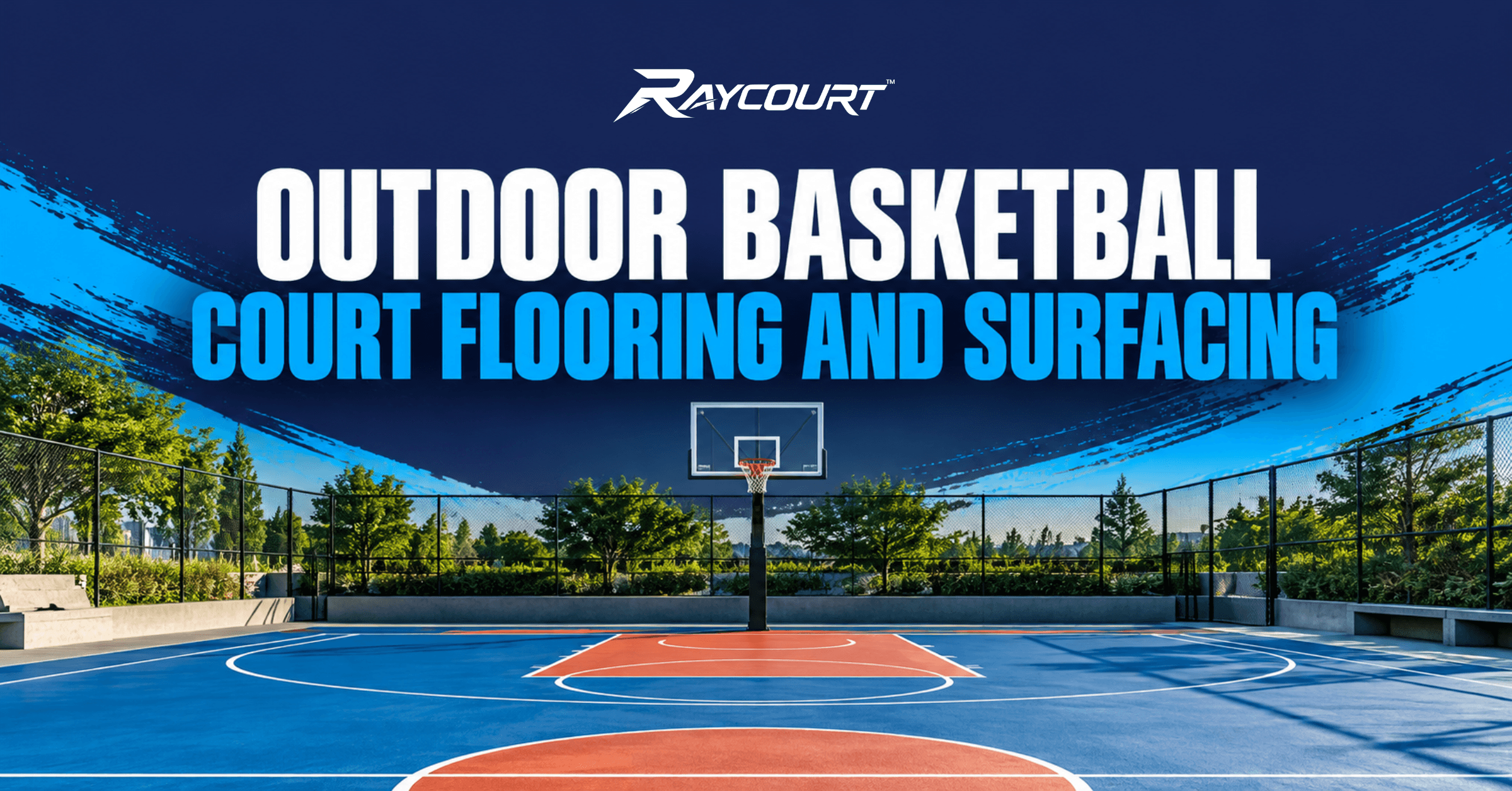
A court of basketball is far more than a marked rectangle on the ground. It combines precise dimensions with a resilient playing surface. It also relies on a flooring system that shapes how the ball bounces. That same system affects how players move and how the surface ages over time.
People often ask what separates an average court from an exceptional one. The honest answer sits beneath the paint. It lives in the flooring material itself, not just the layout on top. Two courts can share identical dimensions and identical colors on paper. Yet one might feel fast, grippy, and consistent under a player’s shoes. The other might feel slick, uneven, or unpredictable during the same drill. That difference almost always traces back to the acrylic system underneath.
Synthetic acrylic flooring gives a court of basketball its grip, its color, and its long-term durability. Unlike wood or plain concrete, acrylic systems combine cushioning, texture, and UV-stable pigments into one surface. This approach protects players from unnecessary joint strain. It also protects facility owners from constant repainting and resurfacing. Acrylic cures into a seamless, weather-tolerant skin, so it performs well both indoors and outdoors.
This guide walks through everything that shapes a modern court of basketball. You will find official dimensions, layer-by-layer construction, and material science explained clearly. Climate considerations and maintenance practices round out the picture. Raycourt manufactures the acrylic systems that installers apply to build these surfaces. However, Raycourt does not install courts directly. The company instead focuses entirely on producing consistent, high-quality flooring material. That material needs to perform the same way in every climate and every region.
By the end of this guide, you will understand why acrylic flooring dominates modern basketball construction. You will also see how the layers work together on site. Finally, you will know which questions to ask before choosing a system for your next project.
Understanding the Court of Basketball: Structure Before Surface
Before any color goes down, a court of basketball starts as a structural decision. Builders must choose a sub-base early in the process. They also need to decide between indoor or outdoor use right away. Finally, they must confirm the exact dimensions required by the relevant governing body. Every one of these choices affects how the finished acrylic surface performs later.
Indoor and Outdoor Differences
Indoor courts sit on wood, engineered subfloors, or polished concrete. They rarely face rain or direct sun exposure. Outdoor courts, meanwhile, endure heat, humidity, and constant UV exposure. They also face sudden temperature swings throughout the year. Consequently, outdoor acrylic systems need extra UV stabilizers and flexible binders. Indoor systems generally do not require this same level of protection.
Raycourt formulates separate acrylic lines for each environment. Outdoor-grade material resists cracking during repeated heat cycles. Indoor-grade material instead focuses on ball response and underfoot comfort. Facility planners should always confirm which category fits their project first. Using the wrong formulation shortens the surface’s working life considerably.
Why the Sub-Base Matters So Much
A court of basketball only performs as well as the surface beneath it. Cracked or uneven concrete transfers those flaws upward over time. This happens no matter how many acrylic layers a contractor applies. Therefore, proper sub-base preparation remains the single most important step. Every flooring installation should begin with a careful sub-base inspection.
Contractors typically check the sub-base for several common issues:
- Surface cracks that could telegraph through the finished coating
- Moisture pockets that trap water beneath asphalt or concrete
- Uneven grading that affects drainage and ball bounce consistency
- Loose aggregate that weakens proper acrylic adhesion
Expert Tip: Let new concrete cure fully, generally around 28 days, before applying any acrylic coating. Rushing this step often causes premature peeling later on.
Sub-Base Materials Compared
Different sub-base materials bring different strengths to a court of basketball. Concrete offers excellent long-term stability and resists movement well. Asphalt remains a common choice in many regions but shifts more with temperature. Engineered sport subfloors work best for high-performance indoor facilities that need extra cushioning.
Each material accepts acrylic coating differently, so preparation steps vary slightly. Concrete generally needs a longer cure time before coating begins. Asphalt needs careful compaction checks to avoid future settling issues. Regardless of the base material, contractors must confirm dryness and stability first.
Ready to build a court that performs for years to come?
Connect with Raycourt for sports flooring systems built for your project.
Official Dimensions and Markings of a Court of Basketball
Every court of basketball follows strict dimensional rules. These rules differ slightly between governing bodies around the world. FIBA, the International Basketball Federation, sets the global standard used across most countries. The NBA follows a slightly larger format built for its professional league.
FIBA standards set official courts at 28 meters by 15 meters. NBA courts measure roughly 28.7 meters in length and 15.2 meters in width. These small differences influence spacing and pace of play. They even affect how contractors plan drainage slopes on outdoor builds.
Standard Dimensions Table
| Specification | FIBA Standard | NBA Standard |
|---|---|---|
| Court length | 28 m | 28.65 m |
| Court width | 15 m | 15.24 m |
| Three-point line (top) | 6.75 m | 7.24 m |
| Rim height | 3.05 m | 3.05 m |
| Recommended runoff space | 2 m minimum | 2 m minimum |
Both organizations measure court boundaries from the inner edge of each line. Contractors must account for line width when marking a new surface. Most governing bodies require lines around five centimeters wide. This width keeps markings visible without crowding the playing area.
Key Zones on a Court of Basketball
A finished court of basketball includes several marked zones. Each zone serves a specific rule-related purpose during play. The key, sometimes called the paint, controls how long an offensive player can linger near the basket. The three-point arc separates two-point attempts from three-point attempts. That single line often shapes an entire team’s offensive strategy.
The Free-Throw Circle and Restricted Area
The free-throw circle sits at the top of the key. It gives players a fixed, unobstructed spot for free throws. Just beneath the basket, a smaller restricted-area arc helps referees judge fouls. Acrylic flooring must hold these markings crisply over time. Faded or blurred lines create real officiating problems during fast-paced play.
The Center Circle and Half-Court Line
The center circle marks the spot for opening tip-offs. The half-court line divides the surface into two equal zones. Together, these markings help players and coaches track positioning during a game. Raycourt’s pigmented topcoats hold their color under constant UV exposure. As a result, these lines stay sharp season after season.
Line Color Standards and Visibility
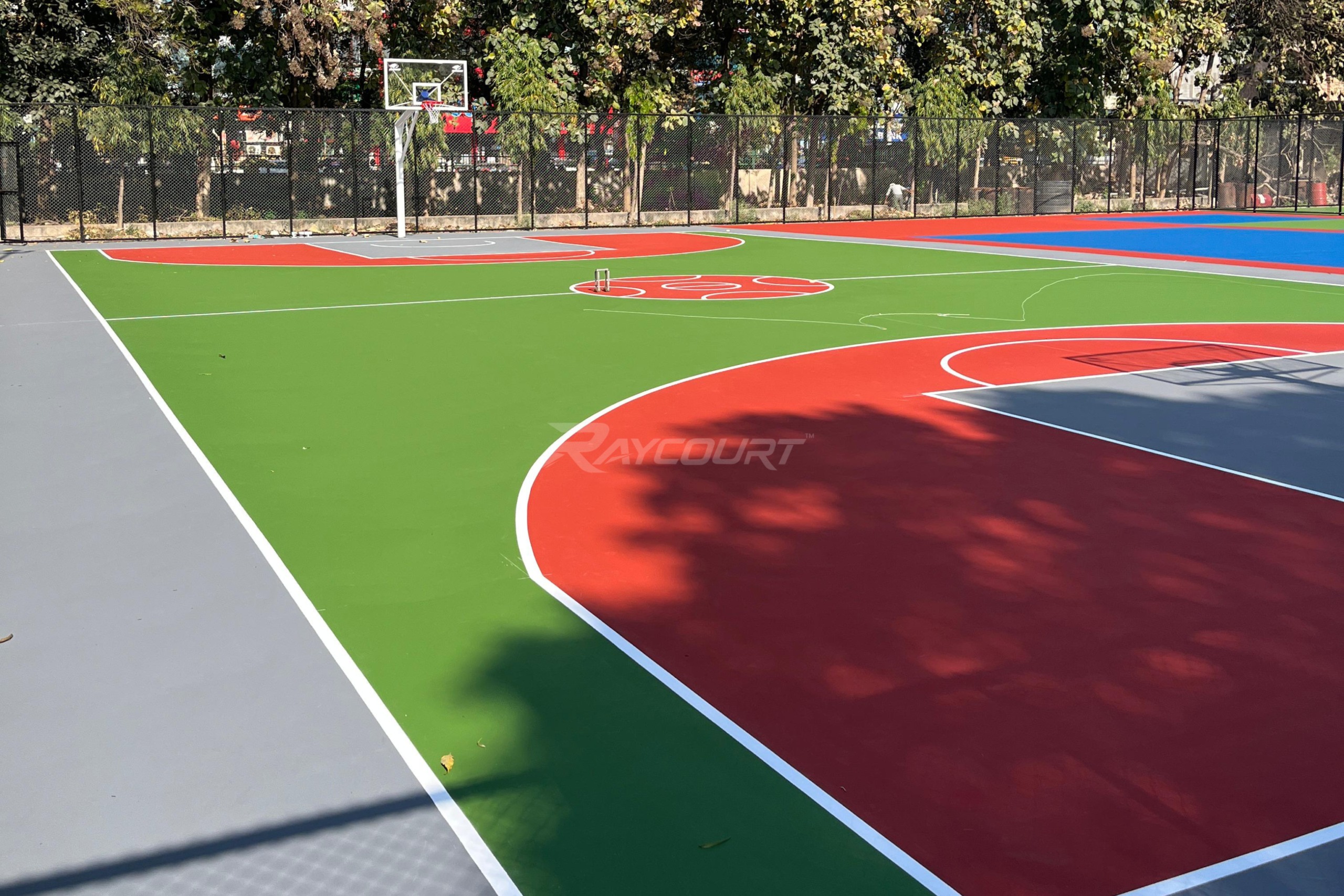
Most courts use white for boundary lines and key markings by convention. Contrasting colors, often a bold accent shade, highlight the three-point arc. This contrast helps players judge distance quickly during fast transitions. Referees also rely on strong color contrast to make accurate calls. Multi-sport courts add extra colors for each additional sport marked on the surface.
Raycourt’s line-marking paint stays compatible with the color coat beneath it. This compatibility prevents bleeding, lifting, or premature fading between layers. Sharp, high-contrast lines ultimately support safer, fairer play for every athlete on the court.
Why Acrylic Flooring Leads the Court of Basketball Market
Acrylic flooring did not become the industry standard by accident. Over time, it earned this position through measurable performance advantages. It consistently outperforms wood, asphalt, and bare concrete in key areas. Facility owners increasingly choose acrylic because it balances safety, playability, and long-term value.
Superior Traction and Ball Response
Every court of basketball needs a surface that grips shoes firmly. At the same time, that surface must not restrict quick pivots. Acrylic coatings achieve this balance through textured additives blended into the material. Players push off, stop short, and change direction with real confidence. The surface resists unwanted slipping even during intense, fast-paced action.
Ball bounce consistency matters just as much as traction does. A surface that absorbs too much energy slows the entire game down. One that reflects too much energy feels harsh and unpredictable instead. Raycourt engineers its formulations to strike a controlled, consistent bounce. This balance holds steady across the entire playing surface.
Shock Absorption and Player Safety
Repetitive jumping and sprinting place real stress on ankles and knees. Cushioned acrylic systems reduce that impact before it reaches the joints. Over a full season, this cushioning noticeably reduces fatigue-related strain. Hard, unforgiving surfaces simply cannot offer the same protection.
Raycourt builds this cushioning through resilient underlayers within the system. These layers flex slightly under pressure, then rebound almost instantly. As a result, players enjoy a responsive feel without losing stability. Lateral movement stays controlled, even during quick defensive shifts.
Weather Resistance for Outdoor Courts
Outdoor acrylic systems face constant environmental stress throughout the year. Intense sun, heavy rain, and freeze-thaw cycles all take a toll. Raycourt formulates outdoor lines with UV-resistant pigments that prevent fading. Flexible binders also expand and contract without cracking under stress. This combination keeps outdoor courts vibrant and structurally sound for years.
Additionally, acrylic surfaces drain water efficiently when installers apply proper slope. Standing water damages flooring steadily over time if left unmanaged. This drainage capability protects both the surface and the athletes who use it daily.
Testing Traction and Slip Resistance
Traction cannot rely on guesswork when player safety is on the line. Raycourt evaluates surface texture using standardized slip-resistance testing methods. These tests measure how shoes grip the surface under both dry and damp conditions. Engineers adjust texture additives based on these results before finalizing a formulation. This process helps ensure the surface performs consistently across different weather conditions.
Too much texture can feel abrasive and wear down shoe soles quickly. Too little texture increases slip risk during fast, aggressive movement. Raycourt aims for a balanced middle ground that supports both safety and comfort. That balance ultimately protects athletes during the most demanding, competitive moments of a game.
Low Maintenance Compared to Alternative Surfaces
Wood floors demand periodic sanding and refinishing to stay playable. Asphalt alone cracks steadily under repeated freeze-thaw stress each year. Acrylic-coated courts, by contrast, need only routine cleaning most of the time. Occasional recoating keeps the surface in strong condition otherwise. This lower maintenance burden appeals strongly to schools and recreation departments. Many of these organizations manage several facilities at once.
Comparing Acrylic Flooring to Other Court of Basketball Surfaces
Facility owners often weigh several material options before committing to a system. Understanding these differences helps clarify why acrylic remains so popular today.
Acrylic vs. Wood Flooring
Wood delivers a classic feel that many indoor arenas still favor. However, wood requires careful climate control to avoid warping or swelling. It also needs periodic sanding and refinishing, which adds ongoing labor. Acrylic flooring skips these climate concerns almost entirely. It also tolerates a wider range of indoor conditions without extra equipment.
Acrylic vs. Rubber Flooring
Rubber flooring offers strong cushioning, especially for multi-purpose gyms. Yet rubber can feel too soft for competitive basketball at times. Excessive softness sometimes slows footwork and reduces responsiveness during quick plays. Acrylic systems balance cushioning with a firmer, more responsive feel underfoot.
Acrylic vs. Bare Asphalt or Concrete
Bare asphalt and concrete offer no cushioning and minimal traction control. These surfaces also crack more easily under temperature swings over time. Acrylic coatings transform these same bases into safer, more playable surfaces. The coating adds grip, color, and long-term protection in one integrated system.
Acrylic vs. Modular Interlocking Tiles
Modular tiles snap together quickly and suit temporary or portable courts well. However, seams between tiles can create uneven bounce in certain spots. Acrylic flooring instead forms one continuous, seamless surface across the entire court. That seamless quality supports more consistent ball response during competitive play. Facilities planning a permanent installation often favor acrylic for this exact reason.
Who Relies on Court of Basketball Flooring
A wide range of facilities depend on strong acrylic flooring every day. Understanding these different users helps explain why demand keeps growing steadily.
Schools and Educational Institutions
Schools represent some of the heaviest users of basketball flooring anywhere. Students play on these surfaces during gym class, practice, and recess. That constant traffic demands a durable, low-maintenance material above all else. Acrylic flooring handles this daily wear while staying safe for younger players. Bright, clear line markings also help students learn the game correctly.
Clubs, Academies, and Training Centers
Private clubs and training academies push their courts even harder than schools. Intensive daily drills and repeated sprints test a surface constantly. These facilities need flooring that holds traction through long, demanding sessions. Consistent ball response also matters enormously for skill development at this level. Coaches rely on predictable bounce to teach accurate shooting and dribbling technique.
Municipal Parks and Community Centers
Outdoor municipal courts serve entire neighborhoods across every season of the year. These surfaces face sun, rain, and heavy foot traffic without much downtime. Durable outdoor acrylic systems keep these community spaces safe and inviting. Fresh, vibrant colors also help these courts feel welcoming and well maintained. Local governments benefit from flooring that reduces long-term upkeep demands too.
Professional and Semi-Professional Facilities
Professional teams and semi-professional leagues expect flooring that meets strict performance standards. Every detail matters at this level, from bounce consistency to line precision. Acrylic systems deliver the reliability these facilities need for competitive, sanctioned play. Raycourt supports this demand through consistent, technically documented formulations across every batch produced.
The Raycourt Acrylic System: How the Layers Work Together
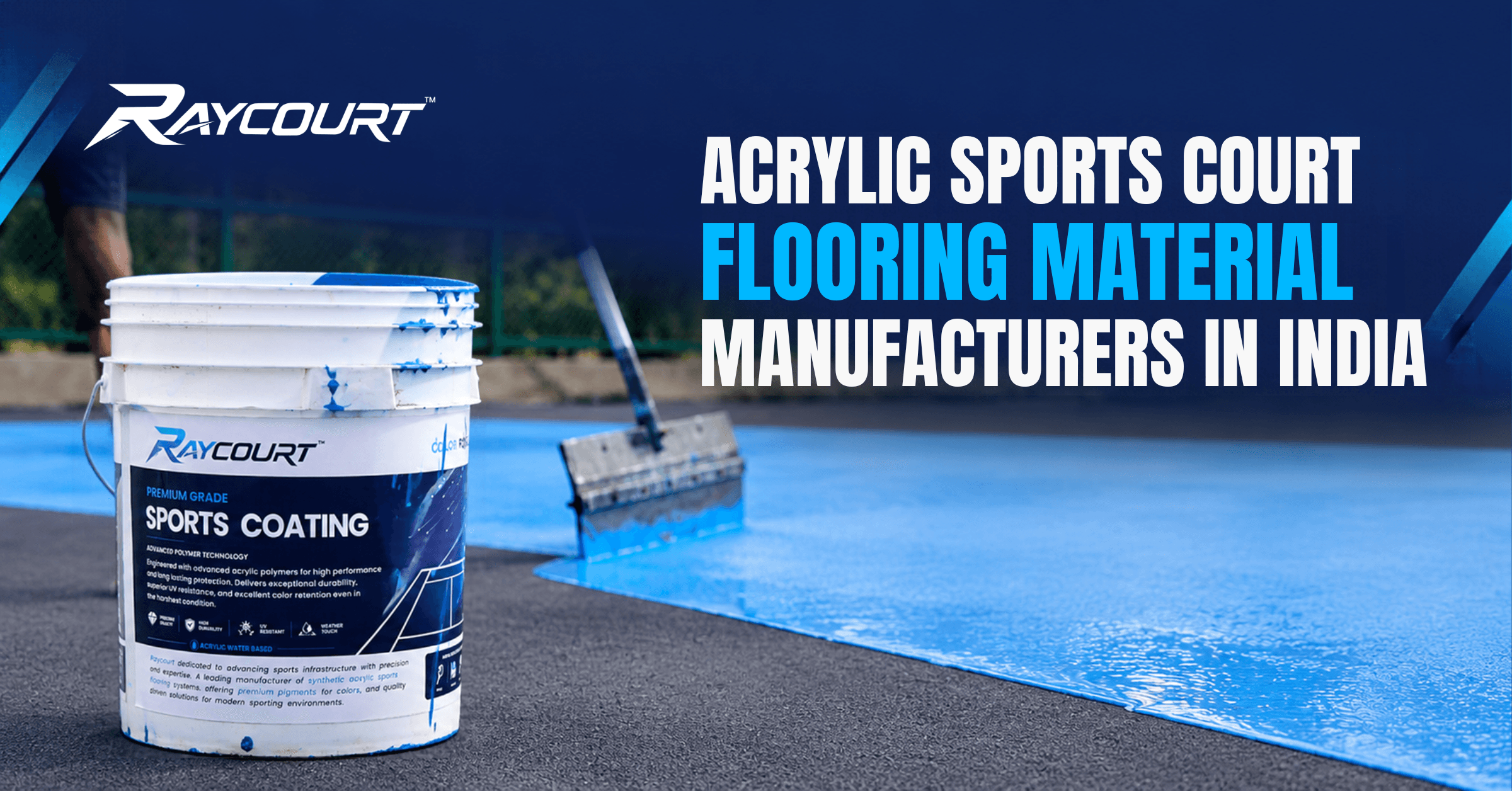
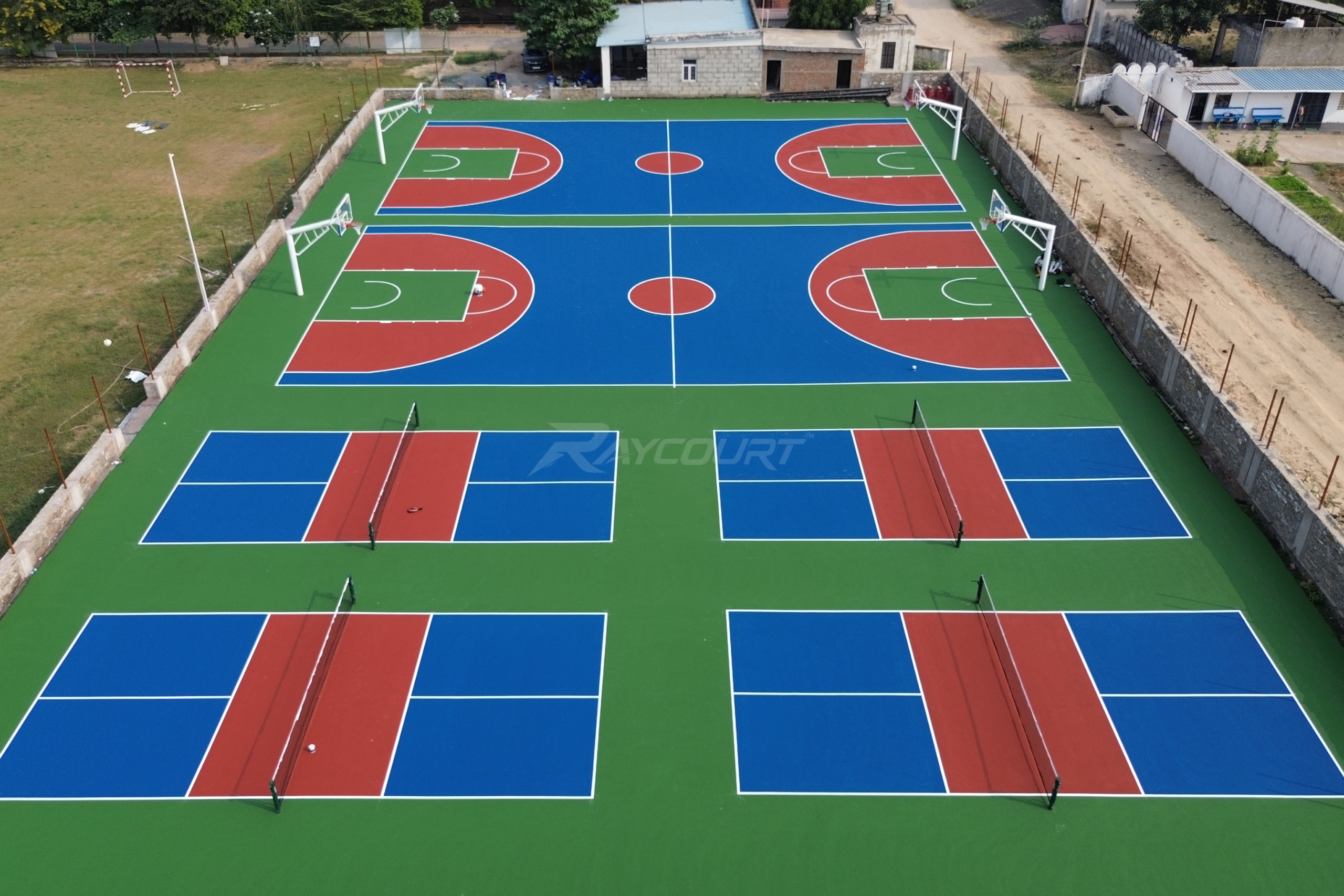
A finished court of basketball rarely comes from a single coat of paint. Instead, contractors apply several distinct acrylic layers in sequence. Each layer serves its own specific purpose within the system. Raycourt manufactures every layer, giving contractors a complete, compatible product line.
Layer Breakdown
| Layer | Purpose | Key Benefit |
|---|---|---|
| Patch and Fill Coat | Levels minor surface imperfections | Creates a smooth base for later layers |
| Acrylic Resurfacer | Builds an even, textured foundation | Improves adhesion and overall uniformity |
| Cushion System (optional) | Adds shock-absorbing resilience | Reduces joint strain during play |
| Color Coating | Delivers the court’s final surface color | Provides UV-stable, consistent color |
| Line Marking Paint | Applies official court markings | Ensures crisp, rule-compliant lines |
| Protective Sealant | Locks in color and texture | Extends surface lifespan significantly |
Why Layering Matters for Long-Term Performance
Each layer in this system reinforces the one beneath it. The patch coat prevents small flaws from telegraphing upward later. The resurfacer creates the textured grip that players depend on daily. Meanwhile, the color coat and sealant work together against fading. They also guard against staining and everyday surface wear.
Skipping layers, or applying them incorrectly, shortens a surface’s usable life. Raycourt designs each product to bond chemically with the layer before it. Contractors achieve consistent results when they follow the recommended system closely. This engineered compatibility separates a professional-grade court of basketball from a rushed paint job.
Color and Customization Options
Modern courts rarely stick to plain gray or green anymore today. Facility owners now request custom color schemes that reflect team branding. School colors and municipal identity also shape many design requests. Raycourt’s pigmented topcoats support a wide range of custom colors. They still maintain UV stability and long-term brightness throughout.
Two-tone and multi-tone designs have grown more popular recently as well. This trend fits facilities that host multiple sports on one surface. Acrylic coatings accommodate these creative layouts without sacrificing traction or durability. Designers gain real flexibility during the planning stage as a result.
Quality Control Behind Every Raycourt Batch
Consistency across batches matters enormously for large flooring projects. A visible color shift between production runs can ruin an otherwise clean installation. Raycourt tests key properties like viscosity, pigment strength, and drying time regularly. This testing happens before any material ships out to a contractor. Technical teams also review adhesion performance across different sub-base materials. That review process helps confirm each formulation behaves as expected on site.
Contractors benefit directly from this consistency during large or multi-phase projects. They can trust that a second shipment matches the first one closely. Facility owners also benefit, since consistent material supports even, uniform final results. This reliability becomes especially important on larger courts and multi-court complexes.
Mini Q&A: Fast Answers About Court of Basketball Flooring
Does acrylic flooring work on both new and existing surfaces?
Yes, acrylic systems adapt to new concrete and existing asphalt alike. Installers simply need to prepare the base correctly beforehand.
How long does acrylic coating typically last before recoating?
Acrylic coatings generally last several years before needing a fresh topcoat. Climate and usage intensity both influence this general timeline.
Can a court of basketball share space with other sports?
Absolutely, many multi-purpose courts combine basketball with tennis or pickleball lines. Contrasting colors keep each sport’s markings clear and separate.
Does color affect court temperature outdoors?
Yes, darker colors absorb more heat than lighter shades do. Many warm-climate facilities choose lighter, more reflective color palettes.
Can existing worn courts get a full acrylic makeover?
Yes, contractors can resurface many worn courts instead of full demolition. This approach restores traction, color, and safety at the surface level.
Choosing the Right Flooring for Your Court of Basketball Project
Selecting the right acrylic system involves more than picking a favorite color. Climate, usage intensity, and sub-base condition all shape which formulation performs best. Facility planners benefit from working through these factors early in the process.
Climate and Regional Considerations
Hot, sun-intensive regions need outdoor acrylic systems with strong UV stabilizers. Without this protection, color fades much faster under constant sun. Colder regions instead need flexible binders that tolerate freeze-thaw cycles well. Humid coastal areas add another variable into the equation entirely. Moisture management becomes critical for long-term adhesion in these zones.
Raycourt produces region-appropriate formulations so contractors can match local demands precisely. Choosing the wrong formulation for a given climate causes real problems. Early cracking, peeling, or color loss often follow that mistake.
Usage Intensity and Facility Type
A neighborhood recreational court sees different wear than a university facility. Professional training centers experience even heavier daily traffic than either one. Higher-traffic courts generally benefit from thicker cushion systems and tougher topcoats. Lower-traffic community courts can often use lighter systems successfully instead.
Facility planners should honestly estimate daily usage before selecting a system. Underestimating traffic often leads to faster surface degradation over time. Raycourt’s technical resources help planners match specifications to realistic usage patterns.
Indoor Versus Outdoor Selection Checklist
- Confirm whether the court sits indoors, outdoors, or under partial cover
- Evaluate local climate extremes, including heat, humidity, and freeze-thaw cycles
- Assess expected daily traffic and player intensity levels carefully
- Review the existing sub-base condition and drainage capability first
- Decide on single-sport or multi-sport line marking requirements early
Expert Tip: Multi-purpose courts should use clearly different line colors for each sport. This small design choice reduces player confusion during shared-use scheduling.
Working With Contractors on Material Selection
Facility owners rarely choose flooring material entirely on their own. Contractors typically guide these decisions based on site conditions and project goals. Even so, informed facility owners ask sharper, more useful questions during planning. They can request technical data sheets directly from manufacturers like Raycourt. These documents outline cure times, application steps, and expected performance clearly.
Good communication between owners, architects, and installers prevents frustrating mismatches later. Everyone benefits when the material choice matches the project’s real demands.
Raycourt also supports this process through direct technical assistance for contractors. Product specialists answer questions about compatibility, cure times, and climate suitability. This support helps bridge the gap between manufacturing expertise and on-site application. Facility owners gain extra confidence knowing the manufacturer stands behind every formulation.
Ready to build a court that performs for years to come?
Connect with Raycourt for sports flooring systems built for your project.
Building a Court of Basketball: What Contractors Should Know
Raycourt focuses exclusively on manufacturing flooring material for these projects. Contractors and installers handle the entire on-site application process instead. Still, understanding the general workflow helps facility owners set realistic expectations. It also helps them ask informed questions throughout the planning stage.
Surface Preparation Comes First
Installers begin by inspecting the existing sub-base for common problems. They address cracks, moisture issues, and drainage flaws before moving forward. Skipping this step almost always leads to premature surface failure later. Coating quality alone cannot fix an unstable foundation underneath. A clean, sound sub-base gives every acrylic layer a stable start.
Applying the Acrylic System in Sequence
Contractors apply each acrylic layer in a specific, deliberate order. Proper curing time between coats matters enormously for final performance. Rushing this sequence often traps moisture beneath the surface. It can also weaken adhesion between individual layers over time. Weather conditions play a role too during application. Acrylic coatings generally need dry conditions and moderate temperatures to cure properly.
Line Marking and Final Inspection
Once the color coat cures fully, installers measure the court carefully. They apply official markings using precise templates and reference points. Accurate measurements matter enormously at this stage of the project. Even small errors can affect gameplay and rule compliance later. A final protective sealant locks everything into place afterward. This last step prepares the court of basketball for regular, active use.
Typical Project Timeline Considerations
Project timelines vary based on weather, court size, and sub-base condition. Dry, moderate weather generally allows each layer to cure on schedule. Cooler or more humid conditions can extend curing time between coats. Larger courts naturally take longer to prepare, coat, and mark accurately. Facility owners should build a reasonable buffer into their overall project schedule. Rushing the timeline rarely produces a durable, long-lasting result in the end.
Maintenance Practices That Extend a Court of Basketball’s Lifespan
Even the best acrylic system needs consistent care to perform well. Fortunately, acrylic surfaces require far less maintenance than wood or bare asphalt. This lower demand makes long-term upkeep manageable for most facility teams.
Daily and Weekly Maintenance Tasks
- Sweep debris, leaves, and dirt regularly to reduce surface abrasion
- Rinse outdoor courts periodically to remove dust and pollutant buildup
- Inspect for standing water after heavy rainfall right away
- Check line markings for fading or wear during routine walkthroughs
Seasonal and Long-Term Maintenance
Facility managers should schedule periodic inspections for cracking or bubbling. Fading color also deserves attention, especially before harsh weather seasons arrive. Addressing small issues early prevents them from becoming larger, more disruptive repairs. Recoating on a reasonable schedule keeps traction and color consistent throughout. This consistency matters across the entire playing surface, not just one area.
Expert Tip: Avoid harsh chemical cleaners on acrylic surfaces whenever possible. Mild soap and water remove most dirt without damaging the topcoat.
Signs It Is Time to Recoat
Facility teams do not need to guess when recoating becomes necessary. Several clear signs usually point to the right moment for action.
- Fading color that no longer matches the original brightness
- Thinning texture that reduces traction underfoot during play
- Small surface cracks that appear across high-traffic areas
- Chalky residue left on shoes or hands after contact with the floor
Catching these signs early keeps small issues from turning into bigger repairs. A proactive recoating schedule protects both player safety and the surface’s overall appearance.
Building a Simple Maintenance Calendar
Many facilities benefit from a written maintenance calendar posted for staff. Weekly sweeping and rinsing can happen without much extra planning. Monthly inspections catch small cracks or fading before they spread. Seasonal reviews, timed around major weather shifts, protect the surface further. This simple structure keeps maintenance consistent, even as staff schedules change.
Common Mistakes to Avoid When Planning a Court of Basketball
Even experienced facility teams sometimes overlook details that affect long-term performance. Avoiding these common mistakes protects both the investment and the athletes involved.
- Skipping proper sub-base evaluation, which allows existing flaws to reappear through new coatings
- Choosing the wrong acrylic formulation for the climate, leading to premature cracking or fading
- Rushing cure times between layers, which weakens adhesion and shortens surface lifespan
- Ignoring drainage planning on outdoor courts, causing water pooling and long-term damage
- Using generic, non-technical line paint, which fades faster than integrated acrylic systems
- Underestimating usage intensity, resulting in a system that wears out faster than expected
Careful planning around each point helps facility owners avoid unnecessary repairs later. Raycourt’s technical guidance supports contractors throughout this entire planning process. This support helps ensure the right material reaches every single project.
Safety and Performance Standards for a Court of Basketball
Consistency matters enormously in competitive basketball at every level. Governing bodies enforce strict standards to protect that consistency across venues. FIBA publishes detailed rules covering court dimensions, equipment, and surface expectations. You can review these official standards through FIBA’s Official Basketball Rules. This resource remains the internationally recognized reference for court construction and equipment.
Meeting these standards matters beyond professional competition too. Schools, clubs, and community centers benefit from following recognized guidelines closely. Doing so protects player safety and keeps facilities eligible for sanctioned events. Acrylic flooring systems help facilities meet these expectations reliably. They deliver consistent traction, predictable ball response, and durable line markings.
Sustainability Considerations in Modern Court Construction
Many facility owners now factor environmental impact into their material choices. Performance and durability still matter, but sustainability increasingly joins the conversation. Acrylic systems generally need fewer resurfacing cycles than lower-quality alternatives. This durability reduces long-term material waste across a facility’s lifespan. Water-based acrylic formulations also produce fewer emissions during application. Older solvent-based coatings generally cannot match this cleaner profile.
Raycourt continues refining its formulations with these environmental factors in mind. The company does this without compromising the performance standards competitive play demands. This balance between sustainability and performance increasingly shapes purchasing decisions. Schools, municipalities, and private facilities all weigh this balance carefully now.
Longevity itself supports sustainability in a very practical way. A court of basketball that lasts longer needs fewer replacement cycles over its lifetime. Fewer replacement cycles mean less raw material use across the years. This simple math makes durable acrylic systems a genuinely sustainable choice for facility planning. Facility managers increasingly ask manufacturers about these environmental details upfront. Clear, honest answers help them plan responsibly for the long term.
Ready to build a court that performs for years to come?
Connect with Raycourt for sports flooring systems built for your project.
The Future of Court of Basketball Flooring Technology
Flooring technology continues evolving alongside advances in sport science. Manufacturers increasingly experiment with cushioning systems that further reduce joint impact. Smart pigment technology is also emerging across the industry right now. This technology offers improved color retention under extreme, prolonged UV exposure.
Multi-sport flexibility continues driving innovation across the flooring industry as well. Many facilities now host basketball alongside other sports on shared surfaces. Acrylic systems adapt naturally to this ongoing trend across regions. They support multiple line-marking schemes without sacrificing performance for any sport. As facility resources stay limited, usage demands keep growing steadily.
Manufacturers like Raycourt continue prioritizing durability and adaptability in every new formulation. Looking ahead, facility owners can expect steady improvements in several areas. UV stability, cushioning technology, and eco-conscious formulations will all keep advancing. These changes will keep shaping how every future court of basketball performs. They will also influence how these courts look and age over time.
Frequently Asked Questions
Acrylic flooring builds multiple integrated layers that improve traction and cushioning. Plain paint lacks this structure, so it wears out and fades faster.
Yes, Raycourt formulates separate outdoor lines for different climate extremes. Choosing the correct formulation ensures reliable performance throughout the year.
Recoating frequency depends on climate, traffic, and the original system’s quality. Regular inspections help facility managers time this maintenance accurately.
No, Raycourt manufactures acrylic flooring systems exclusively for the market. Licensed contractors apply the material following Raycourt’s technical guidelines closely.
Yes, acrylic systems support multiple sports through customizable line markings. Many schools use one acrylic surface for basketball, tennis, and other games.
Final Thoughts on Building a Better Court of Basketball
A high-performing court of basketball depends on more than accurate measurements. It also depends on engineered acrylic layers built for the long term. Those layers deliver consistent traction, reliable ball response, and lasting color. Raycourt manufactures those layers with a clear focus on durability and safety. Facility owners everywhere depend on that consistent, long-term value.
Whether a project involves a small community court or a large athletic complex, the flooring material underneath still matters most. It ultimately determines how well that surface performs for years to come. Choosing a proven acrylic system gives every court of basketball a strong foundation. Matching that system to local climate conditions strengthens the result even further. The game played on top deserves nothing less than that solid start.
Facility owners, architects, and contractors all play a role in that outcome. Careful planning at every stage protects the investment for years ahead. Raycourt continues supporting that process through consistent, technically sound acrylic systems. The result is a court of basketball that stays safe and vibrant. It stays reliable season after season, for every player who steps onto it.